How Technology is Changing Our Social Lives
By • 6/19/2025
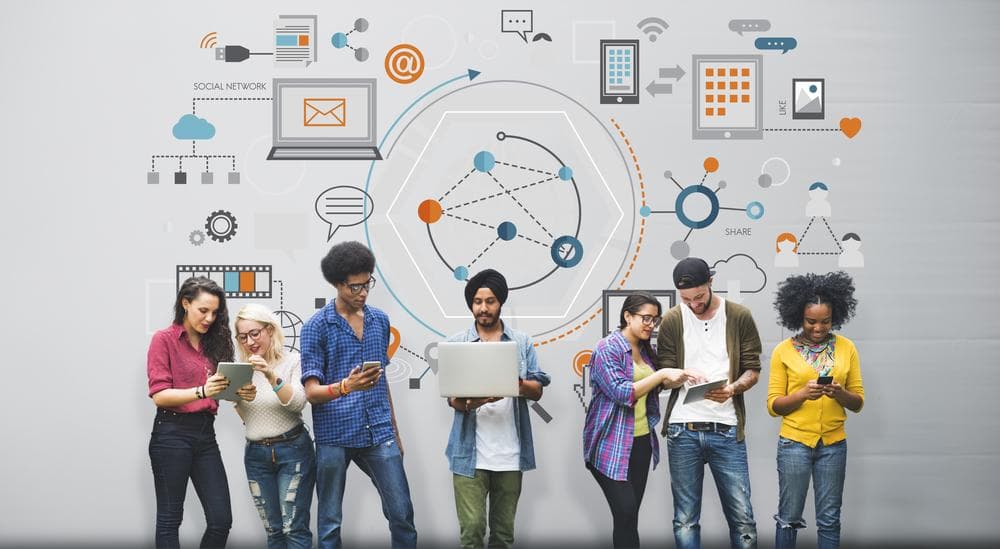
Technology has transformed almost every part of our lives — how we work, learn, travel, and even how we form and maintain relationships. From texting and social media to video calls and virtual hangouts, we are more connected than ever. But while technology offers countless new ways to stay in touch, it’s also quietly reshaping the way we interact, connect, and experience the world socially.
📱 Constant Connection — But Are We Really Close?
With a few taps, we can message someone across the globe. We can share photos, thoughts, and updates in seconds. But this constant online connection doesn’t always mean deeper relationships. Many people have hundreds of online “friends” but feel lonely in real life. Technology has made it easier to stay in contact — but sometimes harder to stay truly connected on a human level.
💬 Communication Has Become Quicker — and Shorter
Thanks to apps like WhatsApp, Instagram, and Snapchat, we can talk anytime — but the way we communicate has changed. Conversations have become shorter, faster, and more visual (emojis, stickers, GIFs). While this keeps things fun and light, it can also lead to misunderstandings or surface-level connections. We often lose the depth that comes from face-to-face talks and long conversations.
🎥 Video Calls: A New Form of Presence
One of the biggest advantages of modern tech is the ability to see and hear loved ones, even from far away. Especially during times like the COVID-19 pandemic, video calls helped people stay emotionally close. Grandparents could see their grandchildren, friends could celebrate birthdays online, and students could keep learning. While it can’t replace real presence, it has become a powerful social tool.
🤖 Social Media: Connection or Comparison?
Social media can help us reconnect with old friends, join communities, and express ourselves. But it also creates pressure. We scroll through highlight reels of other people’s lives and often compare them to our own. This can lead to feelings of inadequacy, jealousy, and loneliness. Instead of bonding, many people begin to feel disconnected from their own reality.
🧍♂️ Tech and the Rise of Social Isolation
Ironically, as technology brings the world closer, some people feel more isolated. More screen time often means less face time. People are dining together but looking at phones, walking together but listening to separate playlists. Technology can become a wall if not used wisely. Social skills, empathy, and emotional understanding can weaken when interactions happen mostly through screens.
🔄 The Balance: Using Tech for Real Connection
Technology is not the problem — how we use it is. When used mindfully, tech can enrich relationships. Scheduling family video calls, sharing thoughtful messages, joining online support groups, or playing games with friends online are all healthy ways to connect. But we also need to unplug sometimes — to listen, to talk, to laugh in real life. Finding balance is key.
📝 Final Thoughts: Connection in a Digital Age
Technology has changed our social lives forever — in both good and challenging ways. It’s made connection faster, broader, and more flexible. But it has also made real emotional closeness harder to maintain. To truly thrive, we must use tech to support human connection, not replace it. Because in the end, it’s not the screen that makes us feel loved — it’s the heart behind it.